
Eco-friendly bamboo furniture for sustainable homes offers a compelling alternative to traditional materials. Bamboo’s rapid growth and inherent strength make it an environmentally responsible choice, reducing the demand on slow-growing hardwoods. This sustainable option not only contributes to a smaller carbon footprint but also brings a unique aesthetic to interior design, blending natural beauty with modern functionality. The versatility of bamboo allows for a wide range of styles, from minimalist to rustic, ensuring a perfect fit for various home aesthetics.
From sleek, contemporary designs to more traditional styles, bamboo furniture offers a spectrum of options to suit diverse tastes and preferences. Its durability ensures longevity, minimizing the need for frequent replacements and further reducing environmental impact. Furthermore, the inherent properties of bamboo, such as its resistance to moisture and pests, contribute to its long-term usability and value.
In today’s world, increasing awareness of environmental sustainability is driving a shift towards eco-conscious living. This extends to our homes, and the furniture we choose plays a significant role. Bamboo, a rapidly renewable resource, offers a compelling alternative to traditional hardwoods, presenting a sustainable and stylish option for creating eco-friendly homes. This comprehensive guide explores the benefits of bamboo furniture, its various applications, and how it contributes to a greener lifestyle.
Why Choose Bamboo Furniture? The Environmental Advantages
Bamboo’s remarkable growth rate makes it an exceptionally sustainable material. Unlike slow-growing hardwoods that take decades to mature, bamboo can reach full maturity in just 3-5 years. This rapid regeneration cycle minimizes the environmental impact of harvesting, making it a highly renewable resource. Furthermore, bamboo requires minimal water and pesticides to thrive, further reducing its ecological footprint.
Reduced Deforestation
The increasing demand for hardwood furniture has contributed significantly to deforestation. Choosing bamboo furniture helps alleviate this pressure by reducing the need to harvest slow-growing trees. This contributes to preserving forests, protecting biodiversity, and combating climate change. The carbon sequestration capabilities of bamboo further enhance its environmental benefits.
Lower Carbon Footprint
Bamboo absorbs significantly more carbon dioxide than many other plants, effectively acting as a carbon sink. The manufacturing process of bamboo furniture also generally produces fewer greenhouse gas emissions compared to traditional wood furniture, resulting in a lower overall carbon footprint. This makes it a climate-friendly choice for environmentally conscious consumers.
Biodegradability and Compostability
At the end of its life cycle, bamboo furniture is biodegradable and compostable, minimizing waste and its impact on landfills. This contrasts sharply with many other furniture materials that persist in the environment for decades, contributing to pollution. The complete biodegradability of bamboo aligns perfectly with sustainable living principles.
The Durability and Versatility of Bamboo Furniture
Beyond its environmental benefits, bamboo furniture boasts impressive durability and versatility. Its inherent strength and flexibility make it suitable for a wide range of applications, from sturdy dining tables to elegant shelving units.
Strength and Durability
Bamboo possesses exceptional tensile strength, exceeding that of many hardwoods. This means bamboo furniture is robust and long-lasting, capable of withstanding daily wear and tear. Properly treated and maintained, bamboo furniture can provide years of reliable service.
Aesthetic Appeal and Design Versatility
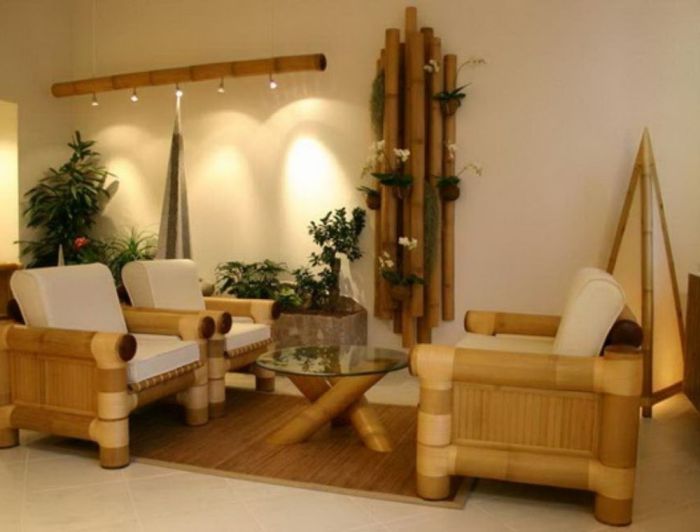
Bamboo’s natural beauty lends itself to a variety of design styles, from minimalist and modern to rustic and traditional. Its warm, golden hue complements various interior décor schemes, offering a touch of natural elegance to any space. The versatility of bamboo allows for intricate designs and finishes, making it a popular choice for both contemporary and classic furniture pieces.
Different Types of Bamboo Furniture, Eco-friendly bamboo furniture for sustainable homes
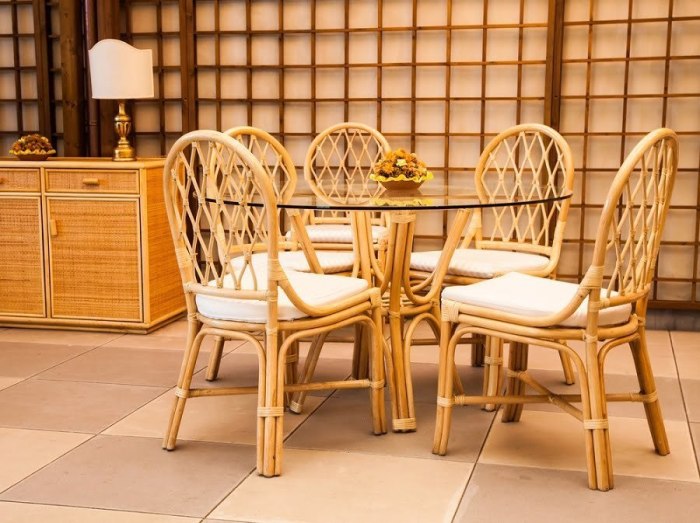
The range of bamboo furniture available is vast and diverse. From sleek, modern sofas to intricately carved coffee tables, the possibilities are endless. Common types include:
- Bamboo Dining Sets: Durable and stylish, perfect for everyday use.
- Bamboo Beds: Offering a natural and comfortable sleep experience.
- Bamboo Shelves and Bookcases: Ideal for organizing and displaying items.
- Bamboo Chairs and Stools: Lightweight yet sturdy seating options.
- Bamboo Outdoor Furniture: Weather-resistant and perfect for patios and gardens.
Choosing and Caring for Your Bamboo Furniture
Selecting and properly caring for your bamboo furniture will ensure its longevity and maintain its aesthetic appeal.
Selecting High-Quality Bamboo Furniture
Look for furniture made from sustainably harvested bamboo, ideally certified by organizations like the Forest Stewardship Council (FSC). Check for sturdy construction, smooth finishes, and a lack of defects. Consider the type of finish – oil-based finishes offer better protection than water-based ones.
Cleaning and Maintenance
Regular dusting and occasional wiping with a damp cloth are sufficient for maintaining the cleanliness of bamboo furniture. Avoid using harsh chemicals or abrasive cleaners, as these can damage the surface. For more significant stains, use a mild soap solution and a soft cloth. Periodically applying a bamboo-specific oil or sealant can help protect the furniture from moisture and wear.
Bamboo Furniture vs. Other Sustainable Options
While other sustainable materials exist, bamboo offers unique advantages. Compared to reclaimed wood, bamboo requires less processing and offers faster regeneration. Compared to other fast-growing plants like rattan, bamboo often boasts greater strength and durability.
Frequently Asked Questions (FAQs)
- Is bamboo furniture durable? Yes, bamboo possesses high tensile strength, making it very durable and long-lasting.
- Is bamboo furniture water-resistant? While naturally resistant to moisture, bamboo furniture should be treated with a sealant to enhance its water resistance, especially for outdoor use.
- How is bamboo furniture made? Bamboo is processed through various techniques, including steaming, pressing, and treating to create durable and aesthetically pleasing furniture pieces.
- Is bamboo furniture expensive? The cost varies depending on the quality, design, and manufacturer. Generally, it offers a competitive price point compared to some hardwoods.
- Where can I buy bamboo furniture? Many online retailers and furniture stores now offer a wide selection of bamboo furniture.
Conclusion: Embracing Sustainability Through Bamboo Furniture
Bamboo furniture represents a significant step towards creating more sustainable homes. Its rapid growth rate, minimal environmental impact, durability, and aesthetic appeal make it an ideal choice for environmentally conscious consumers. By choosing bamboo furniture, you contribute to preserving forests, reducing your carbon footprint, and embracing a more sustainable lifestyle. Make the switch today and experience the beauty and benefits of eco-friendly living.
References
Further research on sustainable materials and bamboo can be found at:
Call to Action
Ready to furnish your home with sustainable style? Explore our collection of exquisite bamboo furniture and contribute to a greener future. Click here to browse our catalog!
Frequently Asked Questions: Eco-friendly Bamboo Furniture For Sustainable Homes
Is bamboo furniture durable?
Yes, bamboo is incredibly strong and durable, often exceeding the strength of many hardwoods. Properly treated bamboo furniture can last for many years.
How do I clean bamboo furniture?
Generally, a damp cloth is sufficient. Avoid harsh chemicals and excessive moisture.
Is bamboo furniture water resistant?
While naturally resistant to moisture, it’s best to protect bamboo furniture from prolonged exposure to water to prevent damage.
How is bamboo furniture made?
Bamboo is harvested sustainably, then processed and treated to enhance its durability and resistance to pests and moisture before being crafted into furniture.