
Mid-century modern sideboard furniture for living rooms offers a unique blend of style and functionality. These iconic pieces, characterized by clean lines, tapered legs, and often incorporating natural materials like wood and teak, seamlessly integrate into contemporary and retro-inspired homes alike. Their enduring appeal stems from a timeless design aesthetic that transcends fleeting trends, providing both practical storage solutions and a visually striking focal point within the living space.
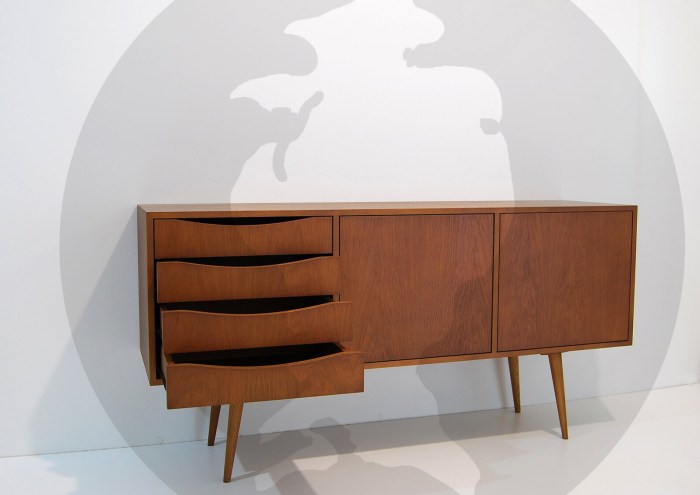
The versatility of mid-century modern sideboards allows them to adapt to various décor styles, from minimalist to eclectic, making them a sought-after addition for homeowners seeking both form and function.
From the iconic credenzas of the 1950s and 60s to contemporary reinterpretations, these sideboards offer a range of styles and sizes. Consider the materials – solid wood, veneer, or laminate – and the hardware, which can range from simple brass pulls to more elaborate designs. Choosing a sideboard involves considering its placement in the room, the available space, and the overall design scheme.
Ultimately, the right mid-century modern sideboard can transform a living room, adding a touch of sophistication and effortless style.
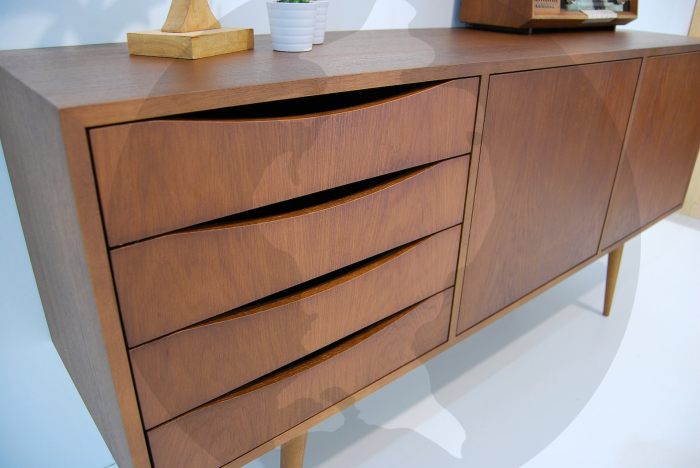
The mid-century modern aesthetic, with its clean lines, organic forms, and emphasis on functionality, continues to captivate homeowners decades after its heyday. A key element of this style is the sideboard, a versatile piece of furniture that seamlessly blends form and function, offering both ample storage and a striking visual impact. This comprehensive guide delves into the world of mid-century modern sideboards, exploring their history, design characteristics, materials, and how to incorporate them into your living room for a stylish and functional space.
The History of Mid-Century Modern Sideboards
The mid-century modern design movement, flourishing roughly from the 1930s to the 1960s, was a reaction against the ornate styles of previous eras. It embraced simplicity, functionality, and the use of new materials like plywood and plastics. Sideboards, reflecting this philosophy, transitioned from bulky, highly decorated pieces to sleek, streamlined designs. Key figures like Charles and Ray Eames, Eero Saarinen, and Paul McCobb significantly shaped the evolution of the mid-century modern sideboard, introducing innovative designs that emphasized clean lines, tapered legs, and minimalist hardware.
Key Design Elements of Mid-Century Modern Sideboards, Mid-century modern sideboard furniture for living rooms
- Clean Lines and Simple Forms: A defining characteristic is the absence of excessive ornamentation. Instead, focus is placed on elegant, uncluttered silhouettes.
- Tapered Legs: Many mid-century modern sideboards feature tapered legs, often made of wood or metal, adding a sense of lightness and visual interest.
- Minimalist Hardware: Knobs and pulls are typically understated and functional, avoiding elaborate designs.
- Use of Natural Materials: Wood, particularly teak, walnut, and rosewood, were favored materials, often complemented by metal accents.
- Open Shelving and Compartments: Many designs incorporated open shelving alongside closed cabinets, offering a balance of display and storage space.
- Geometric Shapes: Rectangular and square forms are common, sometimes with subtle variations in the overall shape.
Materials Used in Mid-Century Modern Sideboards
The choice of materials significantly influences the look and feel of a mid-century modern sideboard. While wood was a dominant material, other options were also employed:
- Wood: Teak, walnut, rosewood, and mahogany were popular choices for their durability, rich tones, and ability to be crafted into sleek designs. The wood grain often remained visible, adding to the natural aesthetic.
- Metal: Metal, particularly brass, chrome, and steel, was used for legs, handles, and decorative accents. It provided a contrast to the warmth of the wood and contributed to the modern feel.
- Laminate: Laminate offered a more affordable alternative to solid wood, providing a smooth, durable surface in a variety of colors and patterns.
- Plastic: While less common than wood or metal, some mid-century modern sideboards incorporated plastic components, particularly in the handles or decorative elements.
Incorporating Mid-Century Modern Sideboards into Your Living Room
Mid-century modern sideboards are incredibly versatile and can complement a wide range of interior design styles. Here are some tips for incorporating one into your living room:
- Choose the Right Size: Consider the dimensions of your living room to select a sideboard that is proportionate to the space.
- Consider the Color and Finish: Select a sideboard that complements the overall color palette of your living room. Darker woods can create a dramatic statement, while lighter woods offer a more airy feel.
- Style Coordination: Pair your sideboard with other mid-century modern furniture pieces or accessories to create a cohesive look. This could include armchairs, coffee tables, or lamps with similar design elements.
- Strategic Placement: A sideboard can be placed against a wall, used as a room divider, or even positioned in a less conventional location to add a focal point.
- Accessorize Thoughtfully: Use the sideboard’s surface to display decorative objects, books, or plants, but avoid overcrowding. Keep the arrangement clean and uncluttered, reflecting the minimalist spirit of the style.
Finding and Maintaining Your Mid-Century Modern Sideboard
Finding an authentic mid-century modern sideboard can be a rewarding experience, but it requires some research and patience. Consider exploring antique shops, flea markets, online marketplaces like eBay and Etsy, and specialized vintage furniture stores. When purchasing, carefully inspect the piece for any damage or signs of wear and tear. Proper maintenance is key to preserving the beauty and longevity of your sideboard.
Regular dusting and polishing will help maintain its shine and protect the finish. For wooden sideboards, avoid placing hot items directly on the surface to prevent damage.
Frequently Asked Questions (FAQ)
- Q: What is the difference between a mid-century modern sideboard and a buffet? A: The terms are often used interchangeably, but a buffet may sometimes suggest a more elaborate or larger piece, potentially with built-in features like a warming drawer.
- Q: How much does a mid-century modern sideboard cost? A: Prices vary significantly depending on the maker, materials, condition, and rarity. You can find affordable options, but highly sought-after pieces can command considerable prices.
- Q: How do I clean a mid-century modern sideboard? A: Use a soft cloth and a gentle furniture polish or wood cleaner appropriate for the material. Avoid harsh chemicals or abrasive cleaners.
- Q: Where can I find authentic mid-century modern sideboards? A: Explore antique shops, flea markets, online marketplaces (eBay, Etsy), and specialized vintage furniture stores.
- Q: Can I refinish a mid-century modern sideboard? A: Yes, but it’s important to do your research and choose appropriate techniques and finishes to maintain the integrity of the piece. Consider consulting a professional if you are unsure.
Conclusion
The mid-century modern sideboard is more than just a piece of furniture; it’s a statement piece that embodies timeless design principles. Its blend of functionality and aesthetic appeal makes it a valuable addition to any living room. By understanding its history, design elements, and care requirements, you can find and incorporate a mid-century modern sideboard that perfectly complements your style and enhances your living space for years to come.
References
- Pamono (Online retailer specializing in mid-century modern and vintage design)
- 1stDibs (Online marketplace for high-end antique and designer furniture)
- Incollect (Online resource for finding antique and vintage furniture)
Call to Action
Ready to add a touch of mid-century modern elegance to your living room? Start browsing for your perfect sideboard today! Explore the links above or visit your local antique shops and vintage furniture stores to begin your search. Happy hunting!
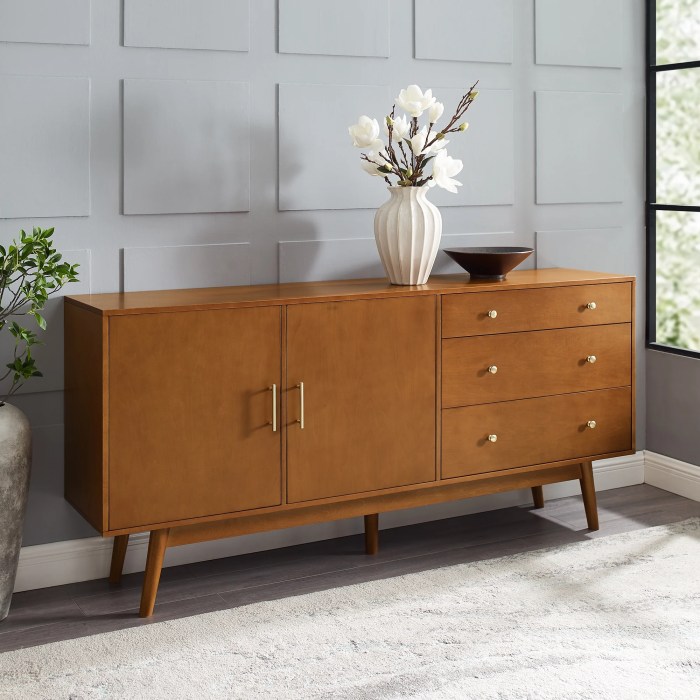
Answers to Common Questions: Mid-century Modern Sideboard Furniture For Living Rooms
What are the common materials used in mid-century modern sideboards?
Common materials include solid wood (teak, walnut, oak), veneer, and laminate.
How do I clean a mid-century modern sideboard?
Use a soft, damp cloth and mild soap. Avoid harsh chemicals or abrasive cleaners.
Where can I find mid-century modern sideboards?
Check antique shops, online marketplaces (like eBay or Etsy), and specialty furniture stores.
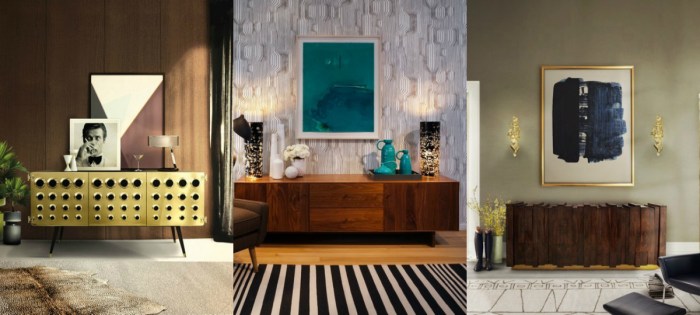
How do I choose the right size sideboard for my living room?
Measure your available space and consider the scale of your living room furniture. A sideboard that is too large will overwhelm the room, while one that is too small will look insignificant.