
Modular storage furniture for open plan spaces offers a dynamic solution to the organizational challenges inherent in these increasingly popular layouts. The adaptability of modular systems allows for customized configurations to suit various needs and aesthetics, transforming potentially chaotic spaces into functional and visually appealing environments. Clever design features, such as integrated shelving, drawers, and hidden compartments, maximize storage capacity while maintaining a clean and uncluttered look.
This approach not only enhances practicality but also contributes significantly to the overall design and flow of the open plan area.
Furthermore, the ability to reconfigure modular furniture as needs evolve is a significant advantage. Whether expanding a home office, accommodating new furniture, or simply refreshing the space’s aesthetic, the flexibility inherent in modular systems provides a long-term solution that adapts to changing lifestyles and requirements. From sleek and minimalist designs to more rustic and traditional styles, the versatility of modular storage ensures there’s an option to suit every taste and interior design scheme.
Open-plan living is increasingly popular, offering a sense of spaciousness and fluidity. However, this design choice presents a unique challenge: organization. Clutter can quickly overwhelm an open space, negating the very benefits it offers. This is where modular storage furniture steps in, providing a flexible and stylish solution to maximize storage while maintaining aesthetic appeal. This comprehensive guide explores the benefits, types, and considerations of using modular storage furniture in your open-plan home.
Understanding the Advantages of Modular Storage in Open Plan Living
Modular storage systems offer several key advantages specifically tailored to the needs of open-plan spaces. Their adaptability allows them to seamlessly integrate into various architectural styles and personal preferences. Unlike fixed units, modular systems can be customized to fit specific dimensions and evolve with your changing needs. This flexibility is invaluable in open-plan layouts where space optimization is paramount.
Space Optimization and Flexibility
Modular furniture’s primary strength lies in its adaptability. Units can be arranged and rearranged to suit different room configurations and evolving storage needs. Need more shelving? Simply add another module. Want to create a room divider?
Combine units to build a stylish, functional partition. This flexibility is a game-changer for open-plan homes where spaces often serve multiple purposes.
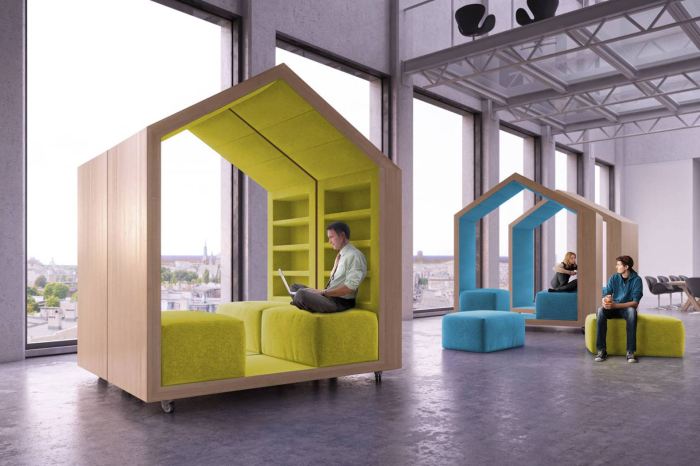
Aesthetic Versatility and Design Integration
Modular storage is no longer limited to utilitarian designs. Modern manufacturers offer a wide range of styles, finishes, and materials, ensuring seamless integration with various interior design aesthetics. From minimalist designs with clean lines to more rustic styles incorporating natural wood, you can find modular storage to complement your existing décor. This ensures that functionality doesn’t compromise style.
Enhanced Organization and Decluttering
Open-plan living thrives on order. Modular storage provides a systematic approach to organizing belongings, preventing clutter from overwhelming the space. Designated compartments for different items, from books and media to clothing and household supplies, contribute to a sense of calm and orderliness. This is crucial in maintaining the visual appeal and functionality of an open-plan layout.
Types of Modular Storage Furniture for Open Plan Spaces
The market offers a diverse range of modular storage options, each designed to address specific needs and preferences. Understanding the different types available will help you choose the perfect system for your open-plan home.
Shelving Units and Bookcases
Modular shelving units are a cornerstone of open-plan storage solutions. They offer customizable configurations, allowing you to adjust the height and spacing of shelves to accommodate various items. They are ideal for books, decorative items, and other household essentials. Look for units with adjustable shelves and different finishes to match your existing decor.
Cabinet Systems and Drawers, Modular storage furniture for open plan spaces
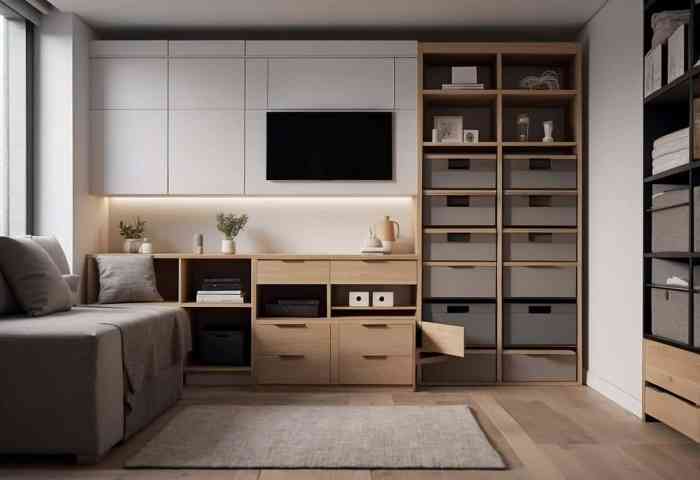
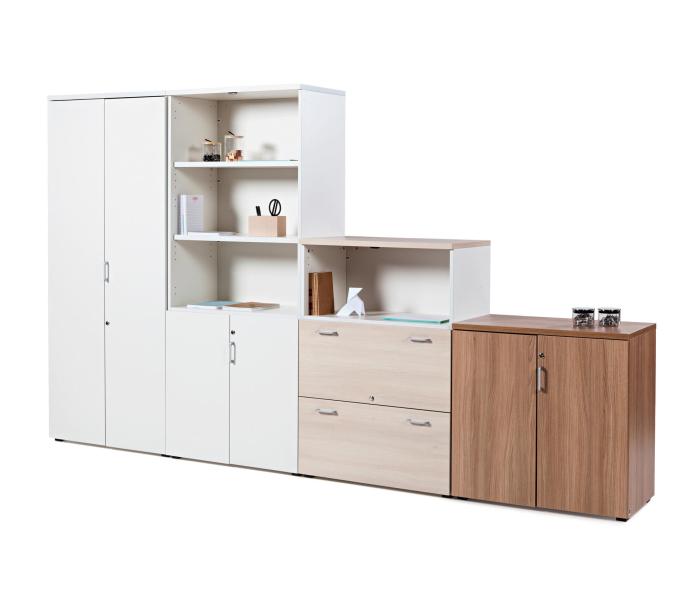
Modular cabinet systems provide enclosed storage, ideal for concealing clutter and maintaining a clean aesthetic. These systems often include a mix of cabinets, drawers, and open shelving, offering versatile storage options. Consider systems with soft-close drawers and durable materials for longevity.
Room Dividers with Storage
In larger open-plan spaces, modular room dividers with integrated storage offer a dual purpose. They help define different zones within the space while providing valuable storage capacity. These dividers can incorporate shelves, cabinets, or drawers, depending on your needs.
Media Units and Entertainment Centers
Modular media units provide dedicated storage for electronics and media components. These units often feature open shelving for consoles and closed cabinets for concealing wires and accessories. Choose a unit that integrates seamlessly with your existing entertainment setup.
Choosing the Right Modular Storage for Your Open Plan Space
Selecting the appropriate modular storage system requires careful consideration of several factors. Understanding your specific needs and preferences will guide you towards the optimal solution.
Measuring Your Space Accurately
Before purchasing any modular storage, accurately measure the available space. Consider not only the floor area but also the ceiling height and any existing architectural features that might impact the placement of units. Accurate measurements are crucial to avoid purchasing oversized or undersized furniture.
Considering Your Storage Needs
Identify your storage needs. What types of items will you be storing? How much storage capacity do you require? This assessment will help you determine the size and configuration of the modular system you need. Consider the number of cabinets, drawers, and shelves required to accommodate your belongings.
Selecting the Right Materials and Finishes
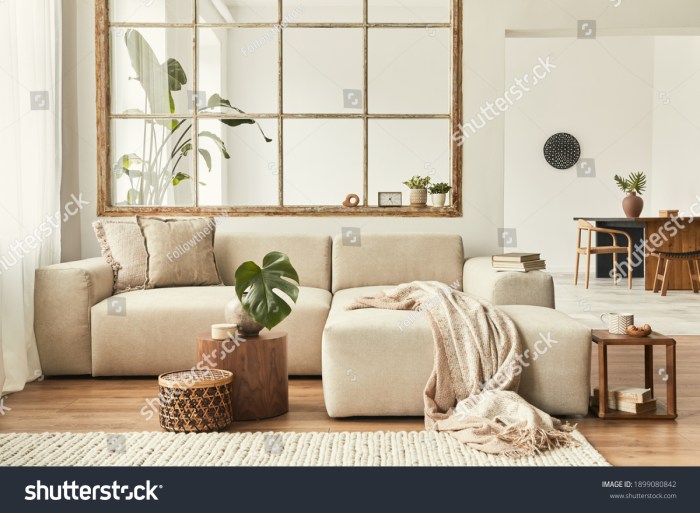
Modular storage is available in various materials, including wood, metal, and plastic. Choose materials that are durable, easy to clean, and aesthetically pleasing. Consider the overall style of your home and select finishes that complement your existing décor. Durability and maintenance are key considerations.
Budgeting and Cost Considerations
Modular storage systems range in price, depending on the size, materials, and features. Establish a budget before you begin shopping. Consider the long-term value of investing in high-quality, durable furniture. While the initial cost might be higher, it will likely save you money in the long run by avoiding frequent replacements.
Frequently Asked Questions (FAQ): Modular Storage Furniture For Open Plan Spaces
- Q: Can I easily rearrange my modular storage system? A: Yes, most modular systems are designed for easy rearrangement. Individual units typically connect with simple mechanisms, allowing for flexible configurations.
- Q: Are modular storage systems difficult to assemble? A: The assembly process varies depending on the manufacturer and complexity of the system. Many systems come with clear instructions and require minimal tools. Some manufacturers offer professional assembly services.
- Q: What materials are best for modular storage in high-humidity areas? A: In humid environments, consider moisture-resistant materials like certain types of wood treated for humidity or waterproof laminates. Avoid materials prone to warping or damage from moisture.
- Q: How do I clean modular storage units? A: Cleaning methods depend on the material. Wood units can usually be wiped with a damp cloth, while others may require specific cleaning agents. Always refer to the manufacturer’s cleaning instructions.
- Q: Where can I find reputable suppliers of modular storage furniture? A: Many reputable furniture retailers both online and in physical stores offer a wide selection of modular storage systems. Research different brands and read customer reviews before making a purchase. Consider checking websites like [insert reputable furniture retailer websites here].
Conclusion
Modular storage furniture is an indispensable asset for creating organized and stylish open-plan spaces. Its flexibility, adaptability, and aesthetic versatility make it a perfect solution for maximizing storage while maintaining a sense of spaciousness and design cohesion. By carefully considering your needs and preferences, you can choose a modular storage system that enhances both the functionality and beauty of your open-plan home.
Call to Action
Ready to transform your open-plan space with stylish and functional modular storage? Browse our selection of high-quality modular furniture today and create the organized and aesthetically pleasing home you’ve always dreamed of! [Link to product page/website]
Expert Answers
What materials are typically used in modular storage furniture?
Common materials include wood (laminate, solid wood, engineered wood), metal (steel, aluminum), and plastic (high-density polyethylene). The choice often depends on the desired style and durability.
How easy is it to assemble modular storage furniture?
Assembly varies depending on the manufacturer and design. Some systems are very straightforward, using simple connectors, while others may require more involved assembly. Check manufacturer instructions for specific details.
Can I customize the size and configuration of my modular storage system?
Most modular systems allow for customization to some degree. However, the extent of customization depends on the specific product line. Check the manufacturer’s specifications for details on available sizes and configurations.