
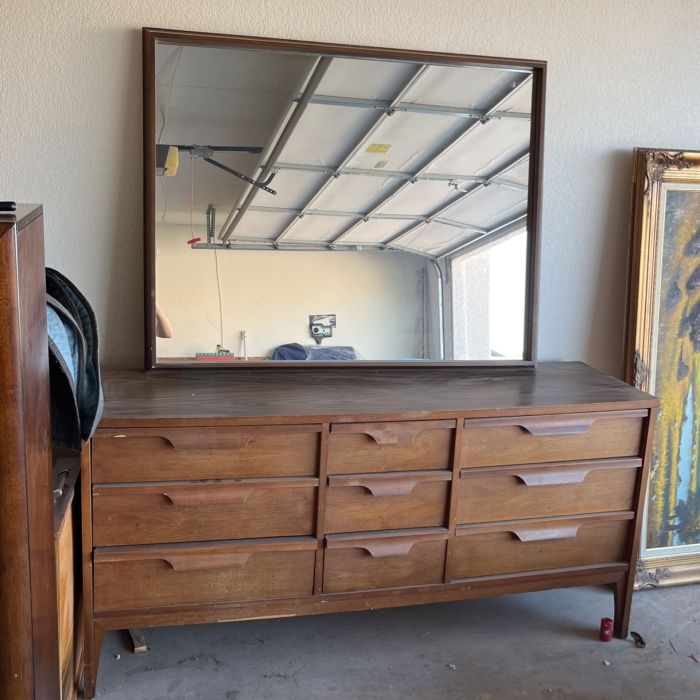
Vintage wood dresser furniture with mirror evokes a sense of timeless elegance and enduring style. These pieces, often crafted from exquisite hardwoods and boasting intricate detailing, offer a unique blend of practicality and aesthetic appeal. Their enduring popularity stems from a combination of factors, including superior craftsmanship, the inherent beauty of aged wood, and the undeniable charm of a bygone era.
This exploration delves into the captivating world of these vintage furnishings, examining their history, design elements, and enduring appeal.
From the ornate carvings of antique dressers to the simpler lines of mid-century modern designs, vintage wood dressers offer a diverse range of styles to suit various tastes and home decors. The inclusion of a mirror adds both functionality and a touch of classic glamour, transforming the dresser into a statement piece capable of anchoring a bedroom or hallway.
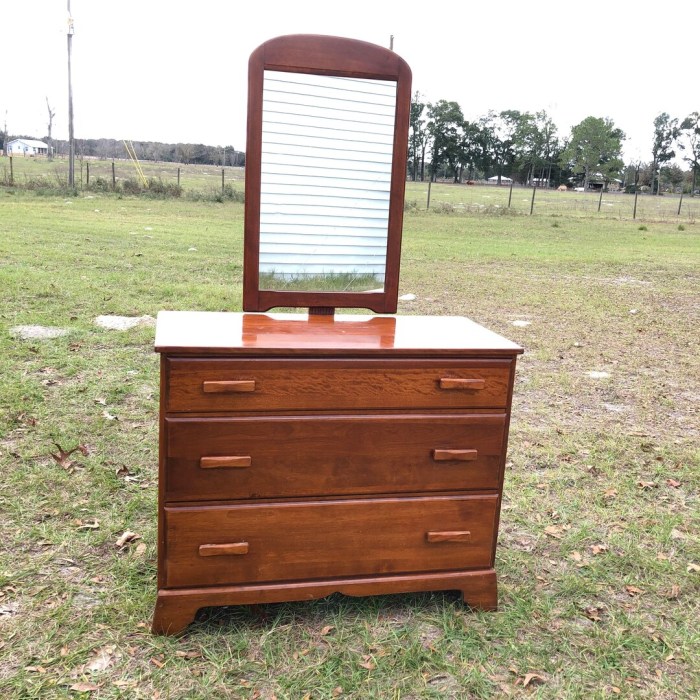
This versatility, coupled with the inherent value and character of vintage items, makes them highly sought-after pieces for collectors and design enthusiasts alike.
Vintage wood dressers with mirrors are more than just storage solutions; they’re statement pieces that add character and charm to any bedroom. Their timeless appeal, coupled with the potential for restoration and repurposing, makes them highly sought-after items for both seasoned collectors and design enthusiasts. This comprehensive guide delves into the world of vintage wood dressers with mirrors, exploring their history, styles, materials, care, and value, equipping you with the knowledge to find, restore, and appreciate these beautiful pieces of furniture.
A Glimpse into History: The Evolution of the Dresser
The evolution of the dresser is a fascinating journey reflecting changing social norms and technological advancements. Early forms of dressers, often simpler chests of drawers, date back centuries. However, the dresser as we know it – a tall, multi-drawered piece of furniture often incorporating a mirror – emerged in the 18th and 19th centuries, coinciding with the rise of the middle class and a greater emphasis on personal belongings and privacy.
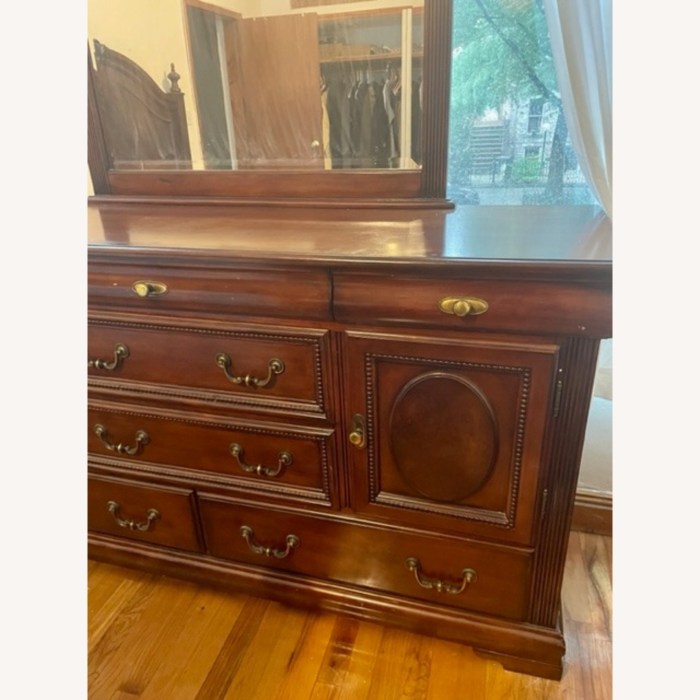
Different periods brought unique design elements. The ornate details of Victorian dressers, for instance, contrast sharply with the streamlined simplicity of mid-century modern designs.
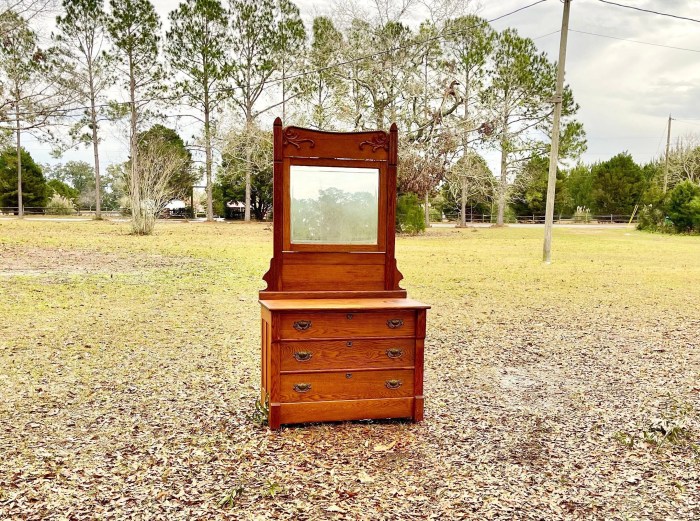
Key Historical Periods and Their Styles:
- Victorian Era (1837-1901): Characterized by intricate carvings, dark woods like mahogany and walnut, and often featuring elaborate mirror frames. Think heavy, ornate pieces with claw feet.
- Art Deco (1920s-1930s): Geometric shapes, sleek lines, and the use of lacquer and metallic accents are defining features. Mirrors often incorporated geometric patterns or sunburst designs.
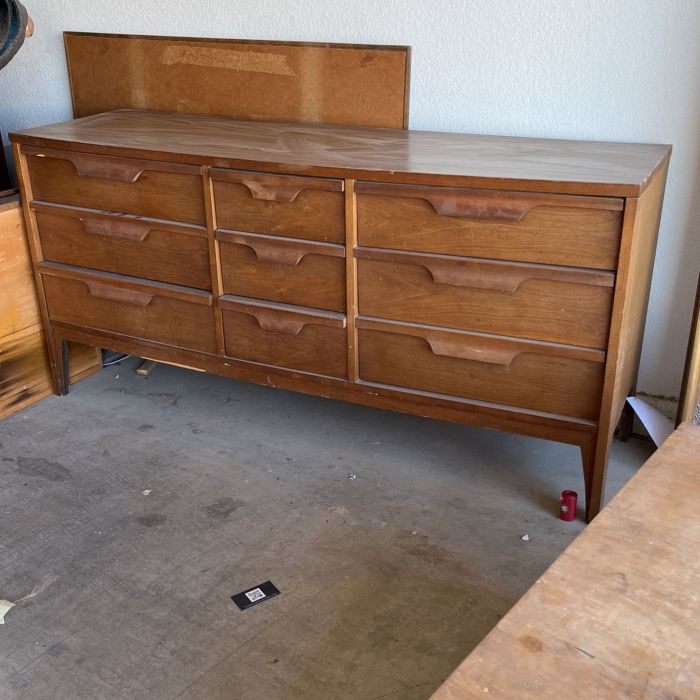
- Mid-Century Modern (1930s-1960s): Clean lines, simple designs, and the use of lighter woods like teak and birch were prevalent. Functionality and minimalism were key.
- Post-Modern (1970s-1980s): A blend of styles, often featuring a mix of materials and bold colors. Expect more eclectic designs during this era.
Understanding Wood Types and Their Characteristics
The type of wood used significantly impacts the dresser’s aesthetic and durability. Knowing the different wood types can help you assess the quality and value of a vintage piece.
Popular Wood Types in Vintage Dressers:
- Mahogany: A rich, reddish-brown wood known for its strength and beautiful grain. Highly prized in Victorian and other antique dressers.
- Walnut: A strong, dark-colored wood with a distinctive grain pattern. Often used in more formal and elegant pieces.
- Oak: A durable, light to medium-brown wood that’s relatively easy to work with. Common in various styles, from rustic to more refined.
- Cherry: A reddish-brown wood that darkens with age, developing a rich patina. Often prized for its warm tones.
- Pine: A softer wood, often used in more rustic or farmhouse-style dressers. More susceptible to damage than hardwoods.
Identifying Authentic Vintage Pieces
Distinguishing genuine vintage pieces from reproductions requires a keen eye for detail. Look for signs of age, wear, and construction techniques that are characteristic of older furniture.
Signs of Authenticity:
- Dovetail Joints: Strong, interlocking joints indicating handcrafted quality.
- Hand-painted details: Unique brushstrokes and imperfections that are unlikely to be replicated perfectly.
- Hardware: Original hardware, often showing signs of age and wear, is a strong indicator of authenticity.
- Wood patina: A natural darkening or discoloration of the wood over time.
- Construction methods: Older pieces often used different joinery techniques and materials than modern reproductions.
Caring for Your Vintage Wood Dresser with Mirror
Proper care ensures your vintage dresser remains beautiful for generations to come. Regular cleaning and maintenance will prevent damage and preserve its value.
Cleaning and Maintenance Tips:
- Dust regularly: Use a soft cloth or duster to remove dust and prevent buildup.
- Clean spills immediately: Avoid letting spills sit on the surface, as they can damage the finish.
- Use appropriate cleaning products: Avoid harsh chemicals; use a gentle wood cleaner or a mixture of warm water and mild soap.
- Polish occasionally: Use a high-quality furniture polish to maintain the finish and protect the wood.
- Protect from direct sunlight: Sunlight can fade the finish and damage the wood over time.
Restoring and Repurposing Vintage Dressers
A vintage dresser can be given a new lease on life through restoration or repurposing. Restoration involves repairing and refinishing the piece to its original glory, while repurposing involves adapting it for a new function.
Restoration Considerations:, Vintage wood dresser furniture with mirror
- Assess the damage: Identify areas needing repair, such as scratches, dents, or loose joints.
- Choose the right finish: Select a finish that complements the wood and its age.
- Seek professional help: If you’re not experienced in furniture restoration, consider hiring a professional.
Repurposing Ideas:
- Bathroom vanity: Convert the dresser into a stylish bathroom vanity.
- Media console: Use it as a media console in your living room.
- Entryway storage: Repurpose it as a stylish storage unit in your entryway.
Determining the Value of Your Vintage Wood Dresser
The value of a vintage wood dresser with mirror depends on several factors, including its age, condition, style, wood type, and maker. Researching comparable pieces and consulting with antiques experts can help you determine its worth.
Factors Affecting Value:
- Age and origin: Older pieces, particularly those with known makers, are typically more valuable.
- Condition: Well-preserved dressers in excellent condition command higher prices.
- Rarity: Unique styles or unusual features can increase value.
- Wood type: Hardwoods like mahogany and walnut are generally more valuable than softer woods.
Frequently Asked Questions (FAQ)
Here are answers to some common questions about vintage wood dressers with mirrors:
- Q: How can I clean a vintage wood dresser without damaging it? A: Use a soft cloth and a gentle wood cleaner or a mixture of warm water and mild soap. Avoid harsh chemicals and abrasive cleaners.
- Q: What are the signs of a high-quality vintage dresser? A: Look for dovetail joints, solid wood construction, and original hardware. A rich patina is also a good sign.
- Q: How can I tell if a dresser is truly vintage? A: Examine the construction, hardware, and wood type. Look for signs of age and wear, such as scratches, dents, and imperfections. Research the maker and style.
- Q: Where can I find vintage wood dressers for sale? A: Check online marketplaces like eBay and Etsy, antique shops, flea markets, and estate sales.
- Q: How much is a vintage wood dresser worth? A: The value depends on several factors, including age, condition, style, wood type, and maker. Research comparable pieces to get an estimate.
Find Your Perfect Vintage Treasure: Vintage Wood Dresser Furniture With Mirror
The hunt for a vintage wood dresser with mirror can be a rewarding experience. With the knowledge gained from this guide, you’re well-equipped to find, appreciate, and care for this timeless piece of furniture. Start your search today and add a touch of vintage charm to your home!
Resources:
- LiveAuctioneers (for finding vintage furniture auctions)
- 1stdibs (for high-end antique and vintage furniture)
- WorthPoint (for researching the value of antiques and collectibles)
Questions and Answers
How can I clean a vintage wood dresser?
Use a soft, slightly damp cloth and a gentle wood cleaner or polish. Avoid harsh chemicals or abrasive cleaners.
How can I identify the age of my vintage dresser?
Look for maker’s marks, construction techniques, and style elements that can help date the piece. Online resources and antique appraisal experts can also assist.
What are common wood types used in vintage dressers?
Common woods include oak, mahogany, walnut, cherry, and pine, each with its unique characteristics and patina.